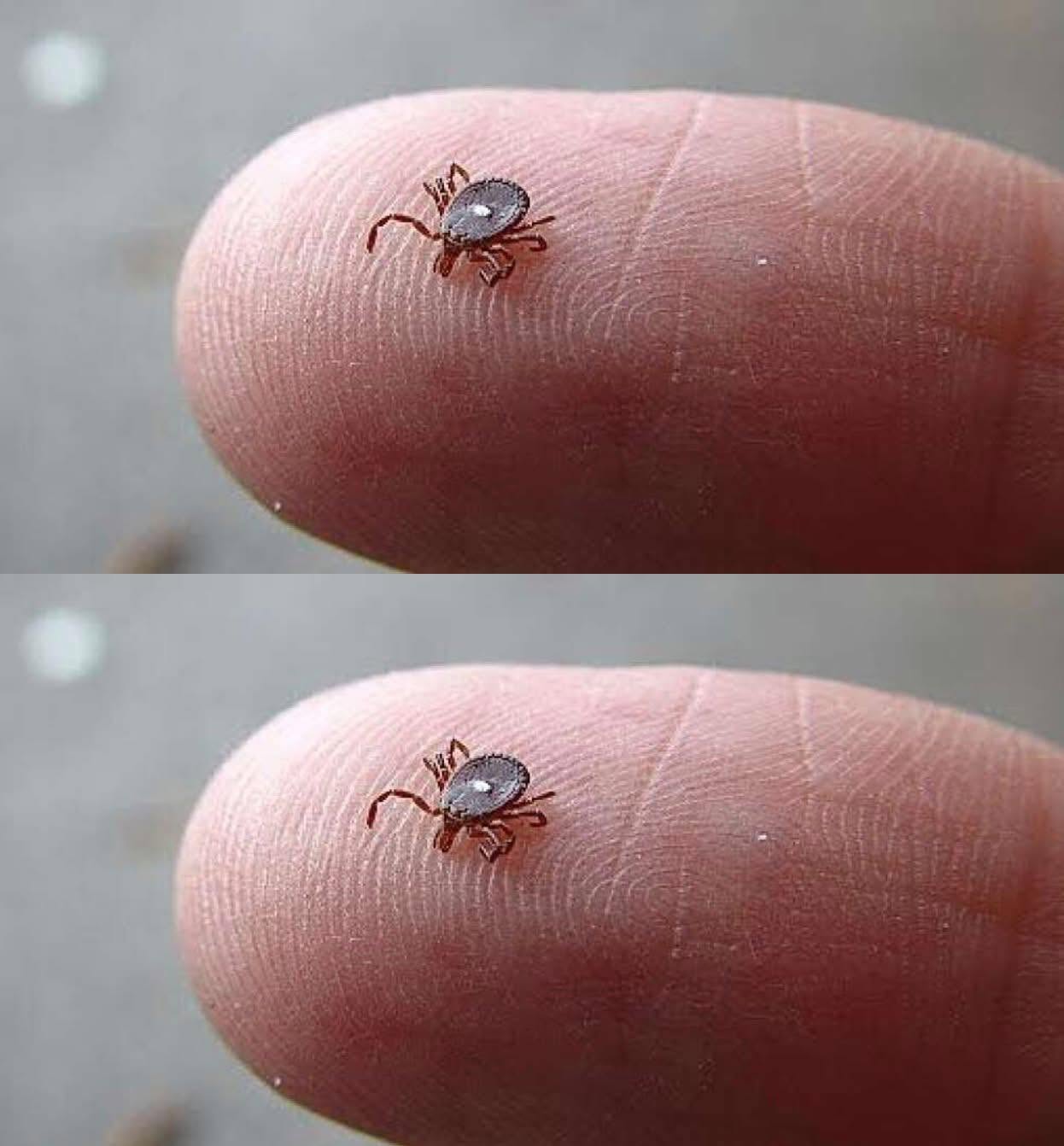
container, a small vial, or even a piece of clear tape. If you develop symptoms later, having the tick can help your healthcare provider identify the species and assess risk.
Document the encounter. Note the date, the location on your body where the tick was attached, and roughly how long you think it was attached.
Watch for symptoms over the next few weeks. Check the bite site daily for:
A spreading rash (especially a “bull’s-eye” pattern, though not all tick-borne rashes look like this)
Redness, warmth, or swelling that worsens