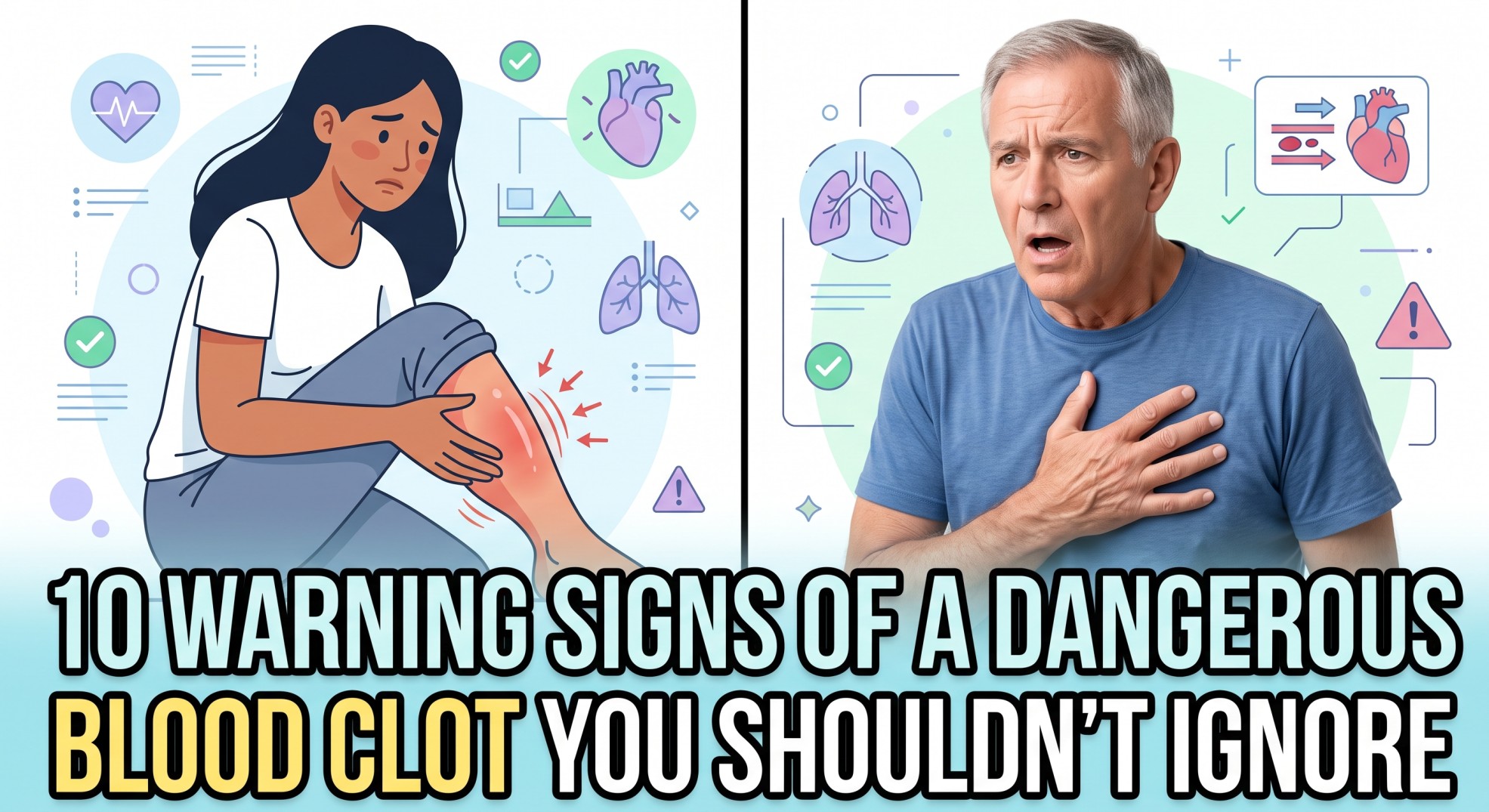
5. Sudden, Unexplained Shortness of Breath
If a clot has already traveled to the lungs, sudden shortness of breath — even without physical exertion — can be one of the first noticeable symptoms. This is considered a medical emergency, since it may indicate a pulmonary embolism requiring immediate treatment.
6. Chest Pain That Worsens With Deep Breathing
Sharp chest pain that intensifies when taking a deep breath or coughing can indicate a clot has reached the lungs. Unlike typical muscular chest discomfort, this pain often has a distinct, stabbing quality tied specifically